
Understanding Horse Trailer Towing in the Lone Star State
Thinking about towing a horse trailer across Texas? There’s a lot to consider before you hit the road. From the state’s vast size and ever-changing weather to its diverse terrain and road conditions, towing in Texas comes with unique challenges that demand careful attention and planning.
Prepare for the Road Ahead
Before setting out, take time to go through a thorough checklist. A little preparation can go a long way in protecting you, your horses, and your investment.
Horse Trailer Safety Checklist
● Inspect Your Trailer: Make sure your trailer is in good working order. Look for signs of wear or damage, and handle any maintenance issues before your trip—not during it.
● Check Tires and Brakes: Ensure your tires are properly inflated and free of damage. Test your trailer’s brakes to make sure they're working as they should. For trailers with electric brakes, confirm they’re properly connected and responsive.
● Test All Lights: Verify that your brake lights, turn signals, and tail lights are fully functional. Replace any burned-out bulbs before you leave—faulty lights aren’t just unsafe, they can get you ticketed.
● Secure Your Hitch: Make sure the hitch connection is locked in place and your safety chains are properly attached. These chains are your backup in case of an unexpected disconnect, so double-check for peace of mind.
Horse Safety While on the Road
With your trailer in roadworthy condition, it’s time to focus on your most important passengers—your horses. Keeping them calm, secure, and comfortable is essential for a safe journey.
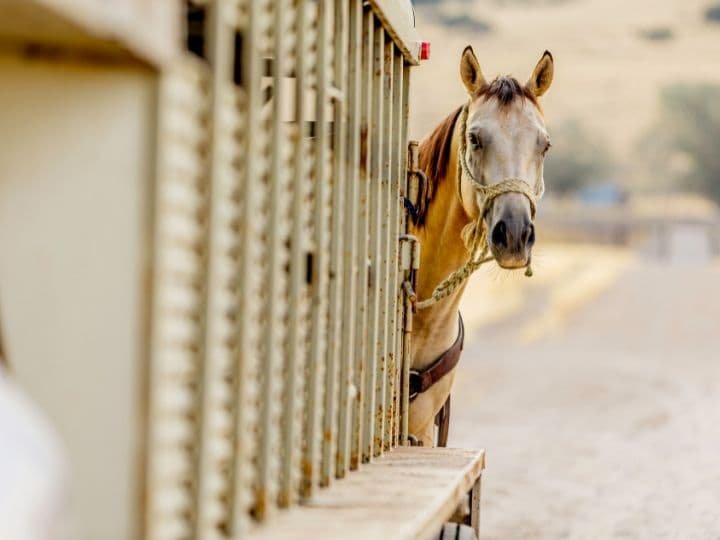
Start by using high-quality, adjustable tie-downs to secure each horse properly. Dividers should be installed between horses to prevent shifting and reduce the risk of kicking or injury. The goal is to create a stable, stress-free environment—after all, a calm horse is a safer horse.
Ventilation is just as important, especially in Texas, where temperatures can swing from scorching to chilly depending on the season and region. Before you hit the road, check that all windows, vents, and fans are in good working order to maintain steady airflow throughout the trailer
Just in Case: Emergency Supplies
Even the best plans can hit a bump in the road - literally. Be prepared by carrying a well-stocked first aid kit for both you and your horses. It’s also smart to keep spare tires and essential tools on hand for roadside repairs. Getting sidelined with a flat tire or minor issue is stressful enough—you don’t want to be stuck without a way to fix it.
Planning for Overnight Travel
If your trip requires an overnight stop, plan your route ahead of time and map out safe, horse-friendly places to rest. Many equestrian centers, fairgrounds, and even some roadside facilities offer overnight stabling for travelers.
Try to avoid leaving your horses in the trailer overnight unless absolutely necessary. Give them a chance to rest, stretch, and hydrate. Bring enough hay and water to last the entire trip, plus a little extra just in case. Feeding during long hauls can help keep horses calm and prevent digestive issues like colic.
Also, keep in mind that a tired driver is a safety risk too—make sure you’re rested and ready before continuing your journey.
Driving Safety
Towing a horse trailer adds extra weight and length to your vehicle, which can significantly affect how you accelerate, brake, and turn. Whether you're cruising Texas highways or navigating local roads, adjusting your driving habits is essential for safety.
Give yourself more time to react by reducing your speed and allowing extra space between you and the vehicle ahead. The added weight means longer stopping distances—so drive below the speed limit when needed and brake early.
Trailer sway is another factor. A heavy load can make your vehicle less stable, especially in curves or during sudden maneuvers. Steer smoothly and predictably, avoid quick lane changes, and always take turns slowly to prevent tipping or trailer sway.
If your trailer is equipped with electric brakes, practice using the brake controller before your trip. Understanding how your trailer responds to braking under different loads can make all the difference in staying safe on the road.
Parking and Backing Up
Backing up and parking a horse trailer takes practice and patience. Before heading out, take time to practice in an open area where you can safely get the feel for how your trailer moves.
When navigating tight spaces, having a spotter can be a game-changer. A second set of eyes can help guide you and prevent accidents, especially in unfamiliar or crowded areas.
Consider the Weather
Texas weather is nothing if not unpredictable. From strong winds to triple-digit heat, conditions can change quickly—and that can affect both your safety and your horses’ comfort.
Windy conditions can cause your trailer to sway or even pull your vehicle off course. If you hit a stretch of high winds, slow down and maintain control. If things feel too dangerous, don’t hesitate to pull over until conditions improve.
Extreme heat can also take a toll. Before you depart, make sure your vehicle’s cooling system is up to the task. Don’t forget, towing puts extra strain on your engine. Inside the trailer, keep airflow moving and monitor the temperature to prevent heat stress or dehydration in your horses, especially during summer months.
Legal Considerations for Horse Trailer Towing in Texas
In addition to safety prep, it’s important to understand the legal requirements for towing a horse trailer in Texas.
● Towing Regulations: Texas law requires all trailers to have functional brakes, lights, and properly attached safety chains. Make sure your trailer meets all state equipment standards before hitting the road.
● Crossing State Lines: While Texas doesn’t require brand inspections or health certificates for in-state travel, many other states do. If your journey takes you beyond Texas, check the entry requirements for each state along your route.
● Documents You Should Carry: Always keep your trailer’s registration and proof of insurance with you. For longer trips or interstate travel, carry any necessary permits, vaccination records, and health certificates for your horses.
● Weight and Size Limits: Texas enforces limits on trailer weight and dimensions. Make sure your towing vehicle can legally and safely handle the combined weight of your trailer and horses. Check your vehicle’s tow rating and confirm that your setup falls within legal guidelines.
Driver’s License Requirements in Texas
Your license class matters when towing a horse trailer—and it all comes down to weight. In Texas, you can tow a trailer that weighs up to 25,999 pounds with a standard Class A driver’s license. For most horse owners, this covers common trailers used for day-to-day hauling, rodeos, or trail rides.
But if your trailer (fully loaded) weighs 26,000 pounds or more, you’ll need a Class B noncommercial driver’s license. Heavier loads come with more risk, and the state requires extra training to ensure safety. To get a Class B license, you’ll need to pass a written exam and a driving test.
Knowing your trailer’s exact loaded weight is key—not just for compliance, but for the safety of everyone on the road.
Ready to Make It Happen?
Once you’ve covered the legal basics and understand what’s required to tow safely and responsibly in Texas, the next step is choosing and securing the right trailer. For many horse owners, that means exploring financing options that make owning the perfect trailer both attainable and affordable.
Financing Your Horse Trailer
Once you’ve chosen the right trailer, financing can help make it a reality. Depending on the cost and your preferences, horse trailers can often be financed for 5 to 10 years.
That’s where CSCU comes in. We understand the unique needs of horse owners—and that owning the right trailer is about more than convenience. Whether you're heading to a rodeo, transporting horses to a new pasture, or gearing up for your next trail-riding adventure, our specialized Horse Trailer Loans are designed to bring you closer to your equestrian dreams without financial strain.
Why Choose CSCU for Horse Trailer Financing?
● Competitive Interest Rates: Enjoy low, competitive rates that make trailer ownership more affordable.
● Flexible Repayment Terms: Customize your loan with terms that fit your financial situation, ensuring payments are manageable.
● Quick Approval Process: Our streamlined application process means you won’t be left waiting—you’ll get a decision fast.
● No Prepayment Penalties: Want to pay off your loan early? Go ahead—there are no fees or penalties.
● Dedicated Support: Our loan specialists understand equestrian needs and are here to guide you every step of the way.
Whether you're looking at a gooseneck, bumper pull, living quarters, or custom-built trailer, CSCU offers the flexibility and support to help you finance your trailer with confidence.
We offer financing for both new purchases and trailer refinancing, with low interest rates and extended terms to help you find a monthly payment that works for you.
Ready For The Road?
With a clear understanding of Texas laws, safety protocols, and prep tips, you’re ready to start traveling with your horses! Remember to always inspect your trailer, drive slowly, check the weather, and stay informed about the most up-to-date state requirements. And when it comes to financing your horse trailer, remember CSCU is here to help. Let’s get you one step closer to safer, stress-free travel for you and your horses! Apply now or schedule an appointment for more information.